Meeting/Event Information
AAPB 54th Annual Scientific Meeting

May 08, 2024
9:00 AM - 9:00 PM
Add to Calendar
HYATT REGENCY DENVER TECH CENTER
7800 East Tufts Avenue
Denver, CO 80237
Directions
AAPB 54th Annual Scientific Meeting
Hyatt Regency Denver Tech Center, Denver, Colorado
May 8-11, 2024
Pre-conference workshops May 8-9 (separate registration); Conference May 10-11, 2024
Don't miss your chance to be part of this transformative event! Register now for the AAPB 54th Annual Scientific Meeting and chart a course towards a new frontier of knowledge, innovation, and collaboration.
QUICK LINKS:
- Onsite Guide
- CME Learner Notification
- Joint Accreditation Statement
- Preliminary Program/Schedule of Events
- Downloadable/Printable Registration Form
- Full Conference Session Details, Course Descriptions, Learning Objectives (BOS01-BOS12)
- Full Conference Session Details, Course Descriptions, Learning Objectives (BOS13-BOS28)
- Presenter Bios
- Preconference Workshops Registration
- Preconference Workshop Session Details, Course Descriptions, Learning Objectives (Wednesday, May 8)
- Preconference Workshop Session Details, Course Descriptions, Learning Objectives (Thursday, May 9)
- Exhibitors
- Poster Presenter Guidelines
ABOUT OUR MEETING:
The AAPB Annual Scientific Meeting provides a forum for the sharing of research, clinical strategies, and theoretical formulations across all facets of applied psychophysiology -- biofeedback, heart rate variability, neurofeedback, and evidence-based self-regulation. This international assembly of professionals represents an array of disciplines, including psychologists, medical doctors, naturopathic doctors, educators, academic researchers, nurses, speech pathologists, physical therapists, occupational therapists, chiropractors, Masters-level practitioners, students, and others with an interest in the study of and treatment delivery using this modality. The 54th Annual Meeting of AAPB will showcase recent innovations in how we conceptualize and address a variety of disorders using biofeedback. The theme of the meeting is, “Translating Evidence into Practice: Improving Outcomes in Biofeedback and Neurofeedback.” Evidence-based practice is a process of using the best evidence, research findings, to guide the delivery of health services. The need for standardized assessments of clinical efficacy and effectiveness for feedback-based therapies is imperative - today’s research climate has higher standards for efficacy and effectiveness than were current during much of the time in which biofeedback and neurofeedback evolved. The goals of the meeting are to highlight recent innovations that speak to a multifaceted and contextualized understanding of the evidence-based science of self-regulation and its effects; engage a discussion about the state of research and practice; feature contextually focused interventions; identify key avenues for future research; and to demonstrate how appreciating these processes and impacts can inform a more comprehensive approach to improving the lives of individuals. The Annual Meeting is also where professionals gather to see old friends and respected colleagues, meet new ones, and develop and strengthen collaborative relationships to move the field of biofeedback forward. New members, active members, non-members, and students are invited to submit proposals and attend the meeting. International participation is strongly encouraged.
HIGHLIGHTS INCLUDE:
Pre-Conference hands-on, extended, in person Workshops on Wednesday, May 8 & Thursday, May 9
Over two dozen Symposia/Breakout Sessions on Friday, May 10 and Saturday, May 11
MAXIMUM 33 CE credits available for full participation. AAPB does not charge additional fees for CE credits.
INVITED KEYNOTE SPEAKERS:
Join us for an extraordinary experience at the forefront of applied psychophysiology and biofeedback. Our stellar lineup of keynote speakers includes trailblazers in the fields of neuroscience, genomics, psychology, and social work, promising a convergence of cutting-edge research, innovative insights, and transformative discoveries. Immerse yourself in the world of Dr. Mara Mather, where aging and affective neuroscience converge to reveal the secrets of emotion, stress, and memory. Uncover the mysteries of the human genome with Dr. Steven Cole, a pioneer in human social genomics, whose work has unraveled the intricate connections between social factors and genomic activity. Dive into the realm of behavioral medicine with the expertise of Dr. Patrick Steffen, exploring the impact of culture and spirituality on health. Journey into neurophysiology and clinical social work with Dr. Ronald J. Swatzyna, a distinguished leader integrating cutting-edge techniques into the treatment of challenging cases. This is your exclusive opportunity to engage with leaders shaping the future of mind-body connection. Whether you're a seasoned professional, researcher, or student, this conference promises unparalleled insights, networking opportunities, and a chance to be part of groundbreaking discussions.
Friday, May 10 at 9:30 am Mountain Time

Mara Mather, PhD, Professor of Gerontology, Psychology, and Biomedical Engineering - USC Leonard Davis School of Gerontology: Mara Mather is Professor of Gerontology, Psychology and Biomedical Engineering at the University of Southern California. Together with her lab members and research collaborators, she has conducted innovative work on the critical role of the noradrenergic system in cognition and aging, how emotion and emotional arousal affect cognition, and how inducing heart rate oscillatory activity benefits emotional brain networks and the aging brain. Based on her highly cited work, she was identified as one of the top 1% of scientists worldwide (Baas, Boyack, Ioannidis, 2021). Her current research mission is to use physiological interventions to slow brain aging. She has received the Distinguished Scientific Award for Early Career Contribution to Psychology from the American Psychological Association, a National Institutes of Health K02 Career Development award, an Alexander von Humboldt Foundation Research Fellowship and a Max Planck Sabbatical Award. She received her Ph.D. in Cognitive Psychology from Princeton University and completed her undergraduate degree and postdoctoral training at Stanford University.
PRESENTS: Effects of Heart Rate Variability Biofeedback on the Brain and on Blood Biomarkers of Alzheimer’s Disease:
Friday, May 10, 2:00 pm Mountain Time

PRESENTS: Molecular Biofeedback: Autonomic Regulation of Gene Expression:
Friday, May 10 at 6:15 pm Mountain Time

PRSESENTS: The Impact of Chronic Stress on Chronic Pain: Over 51 million Americans suffer from chronic pain, or 21% of the adult population (Center for Disease Control and Prevention, https://www.cdc.gov/mmwr/volumes/72/wr/mm7215a1.htm). Chronic pain impacts quality of life, ability to engage in everyday activities, and is a factor in missed work. Chronic stress and mental health problems play a significant role in chronic pain and is associated with poor coping with pain and higher levels of reported pain. Chronic stress is also highly prevalent in American society, with many studies finding over half of people reporting more stress than they can adequately cope with (see APA’s annual Stress in America Surveys, https://www.apa.org/news/press/releases/stress). The purpose of this presentation is to discuss key factors in chronic pain, how they are exacerbated by chronic stress, and potential solutions to improved coping with chronic pain.
Saturday, May 11 at 9:35 am Mountain Time
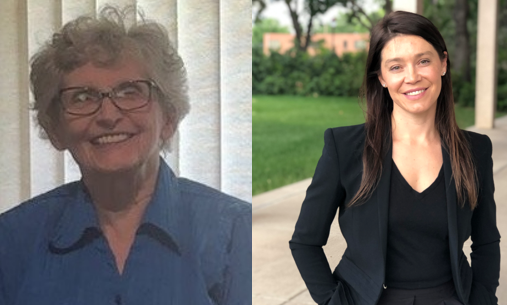
Vietta Sue Wilson, PhD -
Lindsay Shaw, EdD,
PRESENT: Applying a Sport Model to Enhance your Business: Jump Over the Bar- Backwards:
Saturday, May 11 at 2 pm Mountain Time
Julian Thayer, PhD, Distinguished Professor, University of California, Irvine
Dr. Julian F. Thayer received his Ph.D. from New York University in psychophysiology with a minor in quantitative methods. Dr. Thayer is currently Distinguished University Professor of Psychological Sciences at the University of California, Irvine and the Ohio Eminent Scholar Professor in Health Psychology Emeritus and Academy Professor at The Ohio State University. He has published over 500 research papers and is one of the world’s leading experts on heart rate variability. Dr. Thayer has received numerous research awards including the Sigma Xi Research Recognition Award, the Early Career Award for Contributions to Psychosomatic Medicine from the American Psychosomatic Society, and distinguished scientist awards from the Association for Applied Psychophysiology and Biofeedback, The Society for Psychophysiological Research, the Society of Behavioral Medicine, the Academy of Behavioral Medicine Research, and the American Psychosomatic Society. Dr. Thayer was elected to the National Academy of Medicine in 2023. From 2020 to 2023 he was identified by the Web of Science as a “Highly Cited Researcher”, a designation given to the top 0.1% of researchers. Dr. Thayer is also an internationally acclaimed jazz musician with many recordings to his credit.
PRESENTS: The Future of Heart Rate Variability: A Neurovisceral Integration Perspective
The intimate connection between the brain and the heart via the vagus nerve was enunciated by Claude Bernard over 150 years ago. Darwin in his classic book on the expression of emotion in man and animals also stressed the importance of the vagus nerve. The neurovisceral integration model builds on this pioneering work and revives interest in the vagus. It has been proposed that vagally-mediated heart rate variability (HRV) is a transdiagnostic marker for psychopathology. Both cross-sectional and longitudinal studies suggest an important role for HRV in the identification of those at risk for psychopathology as well as being a potential marker for treatment outcome. The present talk further elaborates the model and updates it with recent results. Supportive evidence from recent studies of neuroimaging, fear conditioning, attention, and executive function show that low HRV predicts hypervigilance, poor safety learning, and inefficient allocation of attentional and cognitive resources. In addition, the role of vagal afferents in emotion and fear extinction will be discussed. Importantly, evidence will be presented on the potential role of HRV in resilience to poor outcomes. HRV may provide a transdiagnostic target for the understanding of the etiology as well as the diagnosis and treatment of stress-related mental disorders.
Saturday, May 11 evening
2024 Distinguished Scientist Lecturer
The AAPB Distinguished Scientist Award is presented annually in recognition of an outstanding career and scientific contributions to the field of applied psychophysiology and biofeedback. This award recognizes a scientist who has advanced biofeedback through a significant body of research conducted, as judged by publications, awards, and peer review, and has made a major impact upon the field of study, both nationally and/or internationally. Nominees must hold a doctoral degree in psychology, biomedical science, medicine, or another health-related field. Recipients are selected based on the following evaluation criteria:
· Scientific importance of research discoveries.
· Mentorship of students, postdoctoral fellows, and new faculty.
· Continued impact on the field.
Translating evidence into practice has three components: scientific research, professional knowledge, and the experience of clients. In the last 50 years, our field has accumulated an impressive amount of professional knowledge and likewise, most of our clients love what we have done to improve their lives. But what we need in order to be accepted in the medical field, is clinical research, published in peer-reviewed journals, to provide that evidence. Research is the foundation of science. Observation, developing hypotheses, testing, and reporting of peer-reviewed findings is science. This presentation highlights our journey to identify and publish scientific evidence of the neurological and physiological causes of mental health challenges. We must all stand on the shoulders of our mentors, contribute to their foundation, and inspire our mentees to take the torch and further improve biofeedback and neurofeedback outcomes. What made the difference in my journey is first my wife, my team, and all my great mentors, who without them, I would not be here today. Each of you has the potential to move our field forward. This keynote presentation is a roadmap to our future, and it is in each of our hands.
Level:
Introductory
Learning Objectives:
· Recognize the importance of clinical research
· Apply the techniques of data collection and analysis into their practice
· Summarize the importance of publishing case studies
Our presenter has no financial interest to disclose. This presentation will be free of any commercial bias.
CONFERENCE LOCATION:
We invite you to join us for springtime in the Rockies at the Hyatt Regency Denver Tech Center in Denver, Colorado. With a stay at Hyatt Regency Denver Tech Center, you'll be within a 5-minute drive of The Landmark Theatre Greenwood Village and Cherry Creek State Park. This 4-star hotel is 11.8 miles from Empower Field at Mile High and other downtown attractions. The nearest airport is Denver Intl. Airport (DEN) - 25.6 miles away. AAPB has reserved a block of sleeping rooms at a steeply discounted rate. Your support in staying at the host hotel helps to keep AAPB's meeting and membership costs down.
HOTEL ADDRESS: 7800 E TUFTS AVE, DENVER, COLORADO 80237.
SPECIAL RATE RESERVATION DEADLINE: Ended Tuesday, April 16, 2024, at 3 pm.
EVENT DATES: Wednesday, May 8 - Saturday, May 11, 2024
Preconference workshops will be held May 8-9. The conference will begin on Friday May 10 and continues through the evening of Saturday, May 11.
RESERVATIONS:
- By phone at 303-779-1234, option 2, and then option 1 to be connected to a live human
- Online Reservations https://www.hyatt.com/en-US/group-booking/DENVE/G-5ANM
BEWARE OF 3RD PARTY HOTEL SCAMS OFFERING TO BOOK YOUR ROOM!
Only book your hotel reservations through the AAPB website reservation link or by calling the hotel directly, as listed above. AAPB and/or Hyatt Regency Denver Tech Center staff will never contact attendees and/or exhibitors, via phone or direct email, offering to book your room, offering a more significantly reduced rate than listed above or to inform you the block is selling out. DO NOT give your CC or payment information to anyone who calls/emails to help with your reservation.
CONTINUING EDUCATION STATEMENTS:
 Psychologists: The Association for Applied Psychophysiology and Biofeedback is approved by the American Psychological Association to sponsor continuing education for psychologists. The Association for Applied Psychophysiology and Biofeedback maintains responsibility for the program and its content.
This virtual workshop offers a MAXIMUM of 33 CE credits for maximum participation.
BCIA Recertification: Hour-for-hour attendance may be used to fulfill the continuing education requirements for recertification with certificate of attendance
Joint Accreditation Statement In support of improving patient care, this activity has been planned and implemented by Amedco LLC and Association for Applied Psychophysiology & Biofeedback. Amedco LLC is jointly accredited by the Accreditation Council for Continuing Medical Education (ACCME), the Accreditation Council for Pharmacy Education (ACPE), and the American Nurses Credentialing Center (ANCC), to provide continuing education for the healthcare team.
Physicians
ACCME Credit Designation Statement
Amedco LLC designates this live activity for a maximum of 33.25 AMA PRA Category 1 CreditsTM for physicians.
Physicians should claim only the credit commensurate with the extent of their participation in the activity.
Nurses
ANCC Credit Designation Statement
Amedco LLC designates this activity for a maximum of 33.25 ANCC contact hours.
Social Workers
 ASWB Credit Designation Statement
As a Jointly Accredited Organization, Amedco is approved to offer social work continuing education by the Association of Social Work Boards (ASWB) Approved
Continuing Education (ACE) program. Organizations, not individual courses, are approved under this program. State and provincial regulatory boards have the final authority to determine whether an individual course may be accepted for continuing education credit. Amedco maintains responsibility for this course.
ASWB Content Level: Beginner. Social workers completing this course receive up to 33.25 continuing education credits.
The following state boards accept courses offering ASWB ACE credit for Social Workers: AK, AL, AR, AZ, CA, CO, CT, DC, DE, FL,
GA, HI, ID, IL, IN, IA, KS, KY, LA, ME, MD, MA, MI, MN, MS, MO, MT, NC, ND, NE, NH, NM, NV, OH, OK*, OR, PA, RI, SC, SD, TN, TX,
UT, VT, VA, WA, WI, WV*, WY
*OK: Accepts ASWB ACE for live, in-person activities but not for ethics and/or online courses.
*WV: Accepts ASWB ACE unless activity is held live in West Virginia.
The following state boards accept courses offering ASWB ACE credit for Counselors: AK, AR, AZ, CA, CO, CT, DC, FL, GA, IA, ID,
IL, IN, KS, MA, MD, ME, MO, ND, NE, NM, NH, NV, OK*, OR, PA, TN, TX, UT, VA, WI, WY
MI: No CE requirement
The following state boards accept courses offering ASWB ACE credit for MFTs: AK, AR, AZ, CA, CO, FL, IA, ID, IN, KS, MD, ME,
MO, NC, NE, NH, NM, NV, OK*, OR, PA, RI, TN, TX, UT, VA, WI, WY
AL MFTs: Credits authorized by NBCC or any other state licensing agency will be accepted.
MA MFTs: Participants can self-submit courses not approved by the MAMFT board for review.
MI: No CE requirement.
The following state boards accept ASWB ACE credit for Addictions Professionals: AK, CA, CO, CT, GA, IA, IN, KS, LA, MO, MT,
ND, NM, NV, OK, OR, SC, WA, WI, WV, WY
Materials that are included in this conference may include interventions and modalities that are beyond the authorized practice of mental health professionals. As a licensed professional, you are responsible for reviewing the scope of practice, including activities that are defined in law as beyond the boundaries of practice in accordance with and in compliance with your profession’s standards.
Tickets
$665.00 Full Conference Registration - Members
$765.00 after 07:00 pm April 19
$565.00 Earlybird rate before March 29
$785.00 Full Conference Registration - Non Members
$885.00 after 07:00 pm April 19
$685.00 Earlybird rate before March 29
$175.00 Full Conference Registration - Student Members
$200.00 after 07:00 pm April 19
$150.00 Earlybird rate before March 29
$225.00 Full Conference Registration - Student Non Members
$250.00 after 07:00 pm April 19
$200.00 Earlybird rate before March 29
$400.00 One-Day Ticket - Member
$450.00 after 07:00 pm April 19
$350.00 Earlybird rate before March 29
$525.00 One-Day Ticket - Nonmember
$575.00 after 08:00 pm April 19
$475.00 Earlybird rate before March 29
$0.00 FERB Donation
